Teach Children to Say Thank You
Teaching children to say thank you works when they notice a real kindness first. Culture of Thank You gives parents and teachers a short, repeatable way to move from spoken thanks to a written note for ages 4 to 9.
 Spoken thanks first
- 5–10 minute missions
- Ages 4 to 9







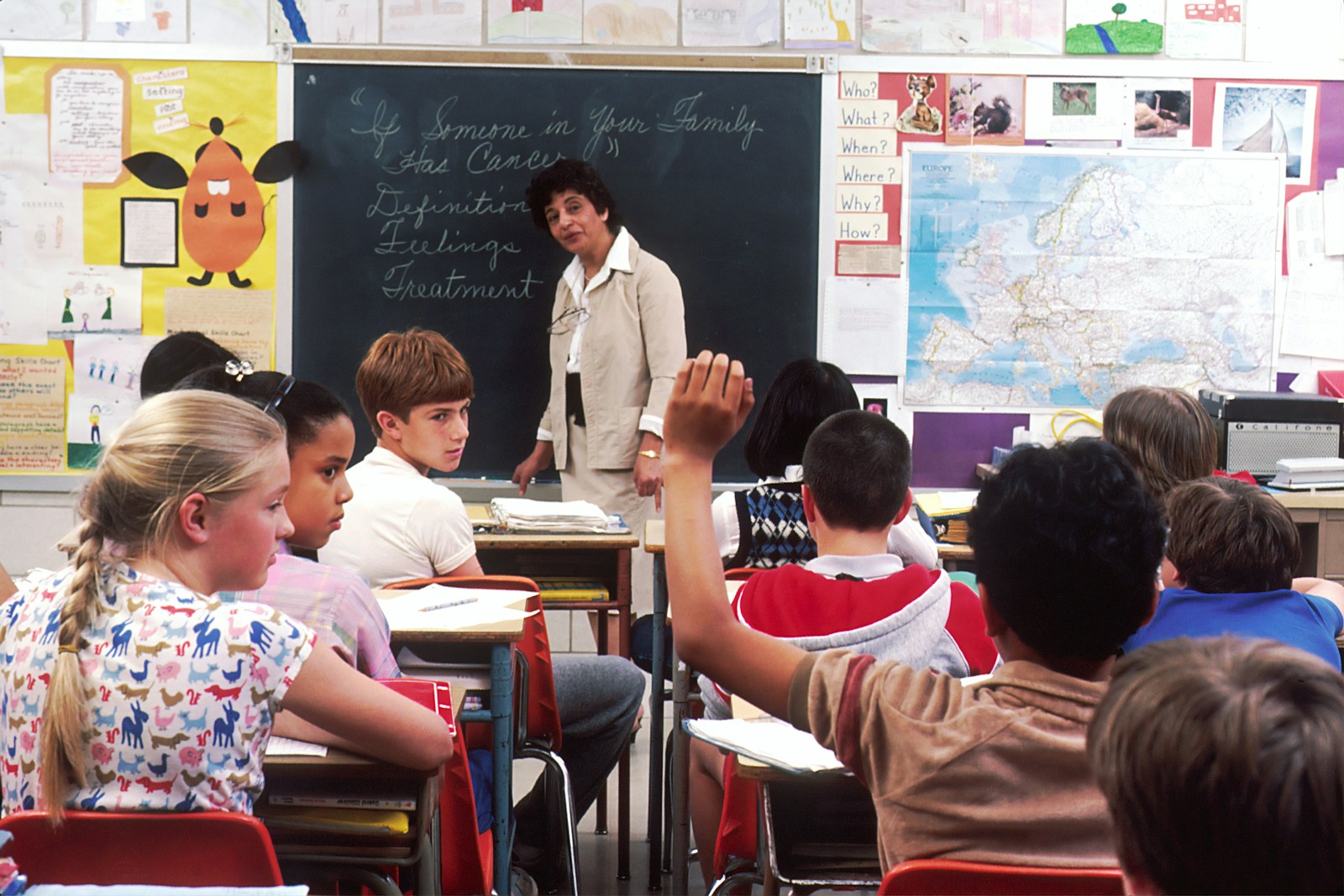


How to teach gratitude without forced politeness
“Say thank you” shouted at the doorway teaches compliance. Children learn to mumble on cue and forget why the words matter. Teaching gratitude to kids means slowing down long enough for them to see who helped and what changed. Then the spoken line has somewhere to land.
Culture of Thank You keeps that sequence tight. Adults lead from the 98-page Operation Thank You Manual. Children keep the activity book Why and How To Say “Thank You.” Large flashcards make one situation visible. Missions last 5 to 10 minutes—short enough for morning meeting, daycare snack, or a dens meeting.
The program is for preschool through 4th grade. Younger children dictate. Older children write more of the note. Spanish editions teach the same situations. A first-grade teacher, Laura H, said her students used please and thank you all the time once they understood the power behind the words.
Spoken thanks first, then flashcards, then the note
Start with noticing. Point at a person, place, or object. Ask what happened. Accept answers that name a kindness, not “they were nice.”
Practice the spoken line together, then with a partner. Whispering counts. Public performance is optional.
Use a flashcard or picture so the group stays on one situation. The Culture of Thank You 30-card set mirrors the activity book.
Only after the line is steady open the note template. Greeting, thank for X, one detail, closing, name. If the spoken line is fuzzy, the note will be vague—go back a step.
Send a home mission that names the same helper, so families reinforce noticing instead of blank manners reminders.
What the adult models
Children copy the adult’s standard. If you accept “thanks for everything,” they will write it. If you thank the cafeteria worker by name for a specific help, they hear the pattern.
Model repair without shame: “I forgot to thank Ms. Lee for holding the door. I’m going to say it now.” Adults who apologize for missing a thank-you teach honesty, not perfection.
Keep the timer honest. Ending on time tells children gratitude practice is safe and predictable, not an open-ended lecture.
In mixed-age daycare or homeschool rooms, let younger children speak while older children write. Nobody waits through a long craft.
A worked classroom example
Adult: “We are going to thank Mr. Diaz. He is the custodian. He cleaned the spill by the sink so we could keep art. Look at the dry floor.”
Adult: “A thank-you that fits is ‘Thank you, Mr. Diaz, for cleaning the spill by the sink.’ Say it with me.” The group repeats. One child says it alone. If they drop the kindness, ask what Mr. Diaz did and put that piece back.
Partners trade the line. Then open the activity book. The note aims at the same kindness. Preschoolers dictate. First graders fill the template. Spanish-speaking children may write Gracias por limpiar el derrame cerca del fregadero in the Spanish book.
Home job: thank someone who cleans a mess at home, naming the mess. Write that sentence in the book for families to see.
Daily vs weekly calendars
Classrooms and many daycares that see the same children Monday through Friday use the first half of the manual: five short missions that build from looking, to saying, to drafting, to sending.
Scouts, Sunday school, youth clubs, and weekly co-ops use the once-per-week half. Do not force five school-day lessons into one sitting.
Homeschool families choose either calendar. If gratitude is a weekly block, use weekly. If you school daily, the Monday–Friday track fits beside other subjects without replacing them.
Across grades at a glance
Preschool: one picture, one question, dictated note.
Kindergarten: morning-meeting turn, copy a short line.
1st grade: partner talk, two or three written sentences with help.
2nd grade: flashcard then quiet writing with where it happened.
3rd–4th grade: student-led talk, template as checklist, community helpers welcome.
How groups get the materials
Leaders request a sponsor at no cost on Find a Sponsor, or families order products directly. Alison Gilham coordinates packages from P.O. Box 114, Tualatin, OR 97062. Email info@cultureofthankyou.com or call 971-265-8262. Shipping is included on full and partial sponsored packages. Groups over 30 add activity books in tens.
Continue with gratitude activities for kids, the thank-you note how-to, worksheets landing, and audience hubs for elementary, daycare, and homeschool.
Scripts parents and teachers can use tomorrow
At the door: “Before we leave, tell me who helped you today and what they did.” Accept one sentence. Prompt once if the answer is only “my teacher was nice.”
After a gift: “Let’s name what you will thank them for. Not the whole day—one thing.” Then practice the spoken line before any writing.
In a conflict aftermath: wait until calm. “Someone helped you cool down. Who was it, and what did they do?” Gratitude practice is not a punishment tool.
In class: “Look at the card. Who was helped? What happened? What thank-you fits?” Write the children’s words on the board so they see the formula aloud.
Forced politeness vs real noticing
Forced politeness sounds like an adult cue and a mumbled thank you with no content. Real noticing sounds like a child-owned sentence with a person and an action.
If you hear autopilot thanks, pause the delivery. Ask what the person did. Have the child try again softly to a partner before facing the helper.
Celebrate specific attempts, including whispered ones. Public volume is not the goal. Accuracy is.
Culture of Thank You missions keep adults from turning gratitude into a guilt lecture. The timer, the card, and the template do the scaffolding.
Building the habit across a month
Week 1: noticing and spoken lines only.
Week 2: add partner practice and one dictated note.
Week 3: children copy or write more of the template; still refuse vague drafts.
Week 4: deliver notes and reflect on which helpers were easy to see and which were easy to forget.
Repeat with new situations from the flashcard set or practice guides. The skill is the same; the kindness changes.
How to teach gratitude to kids age by age
Ages 4–5: picture, one question, spoken line, dictated note. Stop while it still feels friendly.
Ages 5–6: morning-meeting turns, copy short lines, lots of repetition with the same flashcard across days.
Ages 6–7: partner talk, two or three written sentences, adult spelling help, template as scaffold.
Ages 7–8: add where it happened; peer check for person + kindness.
Ages 8–9: student-led discussion, template as checklist, community helpers and fuller notes.
This age map matches Culture of Thank You grade hubs from preschool through 4th grade.
Troubleshooting common roadblocks
Child says thank you only to please you: ask for the kindness detail before accepting the line.
Child refuses: offer whisper, dictation, or pointing at the object. Retry later the same day without a lecture.
Child thanks only parents/teachers on autopilot: introduce classmate and community-helper situations from the flashcards.
Group runs long: cut decorating, keep the words, end on time.
Mixed languages: use Spanish books for the same situation; do not isolate Spanish speakers into a separate week.
Partnering with families and sponsors
Send home one sample spoken line and one sample note each week so families see the standard.
Ask families to avoid prompting empty doorway thank-yous without a kindness attached. Share the noticing question instead.
If cost is the barrier, teachers and daycare leads request a sponsor at no cost. Alison Gilham matches packages from Tualatin, Oregon, and confirms shipping before boxes leave.
Spanish-speaking families should receive Spanish activity books for the same missions, not a translated lecture without practice pages.
Point caregivers to gratitude activities for kids and the how-to-write-a-thank-you-note guide so home practice matches school language.
Why 5–10 minute missions beat weekend projects
Long gratitude projects look impressive on bulletin boards and fade by Monday. Short missions repeat until the skill is automatic.
Children remember the helper they thanked this morning more than the craft they glued last month.
Adults stay consistent when the block is short. Consistency teaches more gratitude than intensity.
The Operation Thank You Manual exists so adults do not reinvent the sequence every week.
Sample language for resistant moments
Instead of “Say thank you right now,” try “Tell me what they did that helped you.”
Instead of “Be polite,” try “Let’s put their name and the kindness in one sentence.”
Instead of “You should be grateful,” try “Who made this easier? We’ll thank that person.”
Instead of ending in tears at the doorway, step aside, practice a whisper, then return.
These swaps keep adult authority while protecting the child’s ownership of the thank-you.
Connect teaching thank you to notes and activities
Once spoken thanks are steady, move to how to write a thank you note and the examples page.
Keep variety high with gratitude activities for kids so practice does not feel like one scolding script.
Worksheets and the classroom activity book give pencil practice without abandoning the spoken foundation.
Audience hubs for elementary, daycare, and homeschool show how the same teaching sequence flexes by setting.
Questions leaders ask
Let's Grow a Culture of Thank You.
Whether you're a parent, teacher, organization, business, or individual looking to make a difference, there's a place for you in the Culture of Thank You.
Let's help the next generation learn to recognize kindness, appreciate others,
and say “Thank You” with meaning.