Classroom Gratitude Missions
Operation Thank You is the mission engine of Culture of Thank You. Teachers get a predictable 5-to-10-minute block that moves children from noticing a kindness to saying thank you to writing a note.
 5–10 minute missions
- Daily and weekly calendars
- Ages 4 to 9







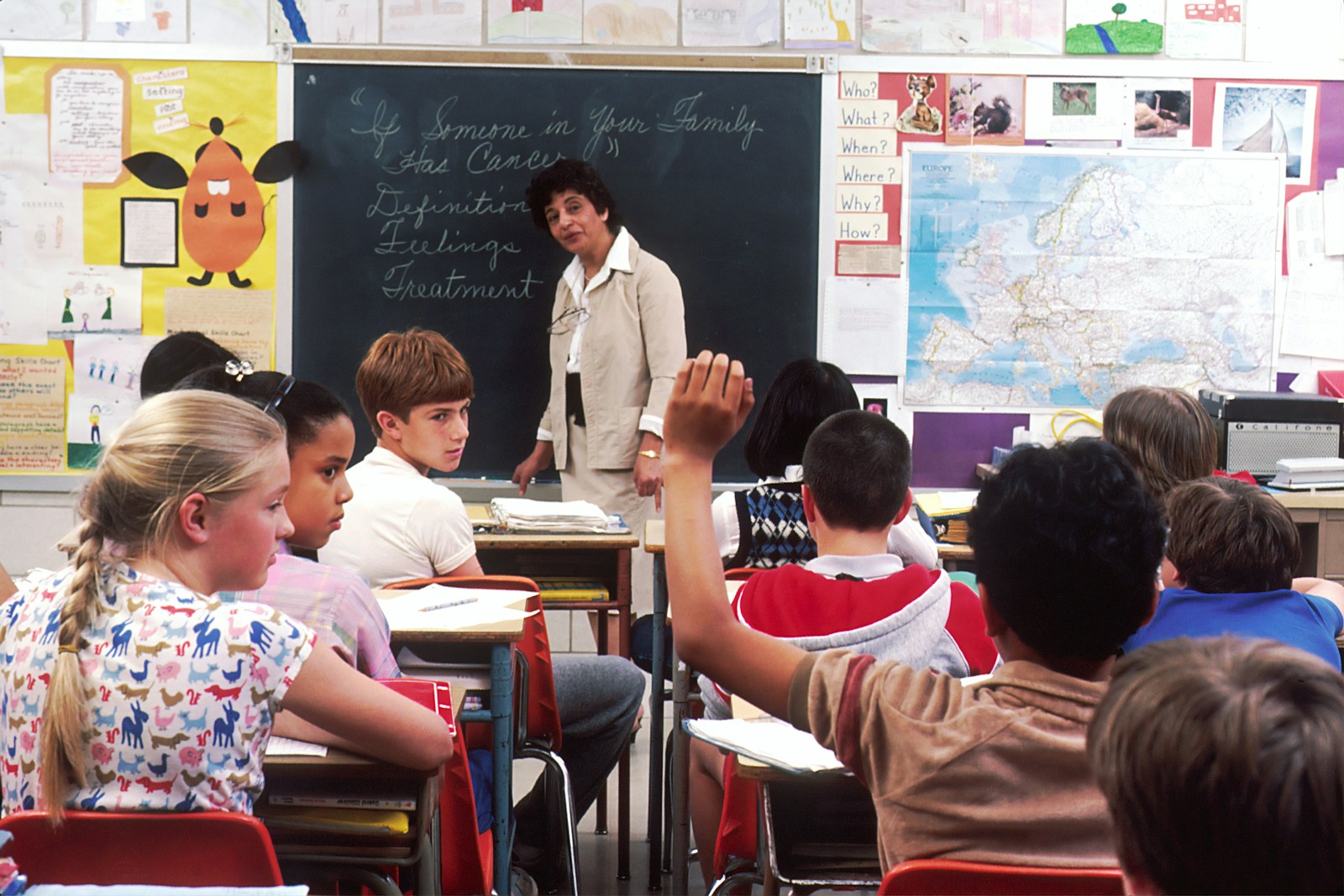

Classroom gratitude missions for ages 4–9
Operation Thank You gives teachers a Monday–Friday classroom sequence and a once-per-week sequence for clubs. Adults lead from the manual. Children keep the activity book. Flashcards support the talk. Each mission asks children to thank someone for a real kindness.
The series is repetitive on purpose so children know what is coming and look forward to it. It does not take a full period. Shipping is included on full and partial sponsored packages. A Spanish manual and the MISSION Reminders Supplement help Spanish-speaking groups run the same missions.
Missions work in public, private, charter, and home settings, and in daycare, Scouts, church groups, and clubs. The calendar changes. The three products stay.

What a mission looks like
Look: put a person or object in view and name the kindness.
Say: practice one spoken line that includes the helper’s name and what they did.
Test: ask a question that rejects “they were nice” as a full answer.
Write: use the activity-book template when children are ready.
Send: deliver the line or note and assign one home noticing job.
Materials and sponsorship
The 98-page manual, classroom activity books, and 30-card flashcard set form the kit. Leaders can purchase or request a sponsor at no cost. Alison Gilham coordinates from Tualatin, Oregon.
See elementary, daycare, and grade hubs for setting-specific plans, plus guides on teaching thank you and writing notes.
Why short missions beat long manners units
Elementary schedules protect reading and math. A 5-to-10-minute mission respects that reality while still teaching a social skill with evidence—spoken lines and delivered notes.
Repetition across days or weeks builds anticipation. Children know the shape of the block: look, say, check, write, send.
Teachers new to the program can start with spoken-thanks lessons, then add thank-you-note plans from the grade directory.
Sample daily arc inside one kindness
Day 1 look, Day 2 say, Day 3 test the detail, Day 4 draft, Day 5 send and assign home noticing. Keep the same helper all week so language sticks.
Weekly clubs compress the arc into one meeting and send the home mission to carry noticing until the next gathering.
For scripts and stall recovery, open any grade×setting lesson plan or a practice-situation guide.
Connect missions to activities and sponsorship
One-off gratitude activities for kids can warm up a room; missions sequence those activities into a habit.
Leaders request materials funding on Find a Sponsor. Alison Gilham matches packages and confirms shipping details.
Spanish manuals and activity books keep bilingual classrooms on the same mission calendar.
Planning missions across a grading period
Weeks 1–2: spoken thanks and noticing only, with flashcards.
Weeks 3–4: add dictated or copied notes using the template.
Weeks 5–6: peer checks for person + kindness; deliver notes to school helpers.
Weeks 7–8: community or family notes; include Spanish lines where needed.
Ongoing: rotate skills—classmate thanks, family thanks, community helpers—while keeping the same 5–10 minute shape.
Use grade hubs to open specific lesson URLs for your setting and format. Sponsors and product orders keep materials stocked when classes grow.
Mission quality checklist for teachers
Did every child see a concrete kindness?
Did every child say or hear a specific spoken line?
Did writing wait until speaking was steady?
Did the block end on time?
Did a home mission name a person?
If any answer is no, simplify tomorrow’s mission instead of adding activities.
Internal links for classroom leaders
Gratitude activities for kids offers warm-up games. Teach children to say thank you explains the philosophy. How to write a thank you note and thank you note examples support the writing weeks.
Elementary, daycare, and grade hubs translate missions into setting-specific language. Find a Sponsor and the products page cover materials.
Materials checklist before mission one
Leader has the Operation Thank You Manual open to the correct calendar half.
Each child has Why and How To Say “Thank You,” classroom edition (or a plan to dictate into a shared template).
Flashcards are reachable; one card is chosen for the first kindness.
Timer is set for 5–10 minutes. Decorating supplies stay off the table until words are done.
Spanish books are distributed to the children who need them for the same card.
Home mission sentence is ready to write before dismissal.
Seating allows partner talk without a full room reset. Missions die when furniture moves eat the clock.
A place to display or mail finished notes is chosen in advance so Friday delivery is not improvised.
Differentiating missions without losing the shared kindness
Same flashcard, different output: preschoolers speak and draw; fourth graders write the full note.
Same timer, different supports: some children use sentence starters; others write independently.
Same success rule for everyone: the thank-you must name a person and a kindness.
Pull-out groups and intervention blocks can run the spoken line even when they cannot finish writing—then rejoin the class for delivery day.
After missions: notes, families, sponsors
Celebrate delivered notes at a Friday share without ranking handwriting.
Send families the noticing question of the week so home language matches school.
If materials run short, add packs of ten or request sponsor support rather than photocopying thin substitutes that drop the note template.
Keep linking to gratitude activities, teach-children-to-say-thank-you, and grade hubs so substitutes and specialists can join the culture mid-year.
Classroom gratitude missions succeed when adults refuse two temptations: stretching the block past ten minutes, and accepting vague thank-yous to “just be done.” Hold the line on specificity and the clock. Children learn both gratitude and trust.
New teachers inheriting a kit mid-year should start with spoken-thanks daily plans for their grade, then add thank-you-note lessons once lines are steady. The directory on each grade hub lists every setting and skill combination without requiring you to invent URLs.
Questions leaders ask
Let's Grow a Culture of Thank You.
Whether you're a parent, teacher, organization, business, or individual looking to make a difference, there's a place for you in the Culture of Thank You.
Let's help the next generation learn to recognize kindness, appreciate others,
and say “Thank You” with meaning.