Gratitude Activities for Kids (Ages 4–9)
Gratitude for kids is not a robotic “say thank you.” These activities help children ages 4 to 9 notice a real person, name a real kindness, and practice spoken thanks before they write.
 Ages 4 to 9
- 5-minute daily ideas
- Classroom and home







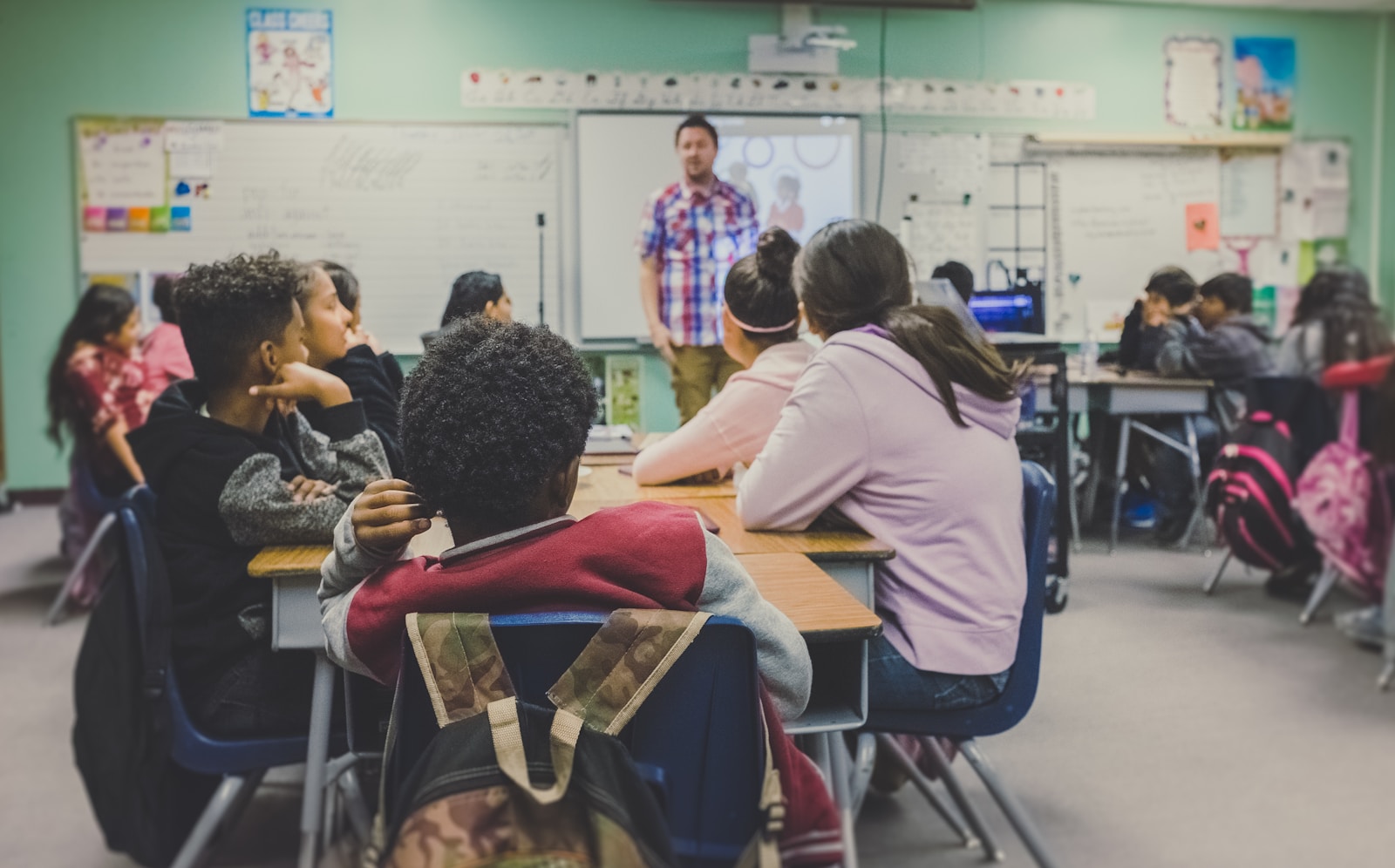


Why gratitude activities for kids are not manners drills
Parents and teachers searching for gratitude activities for kids usually want something warmer than a chart of forced politeness. Ages 4 to 9 can learn to notice who helped them—and say so—without a lecture about being “good.” The best activities are short, concrete, and repeatable. They point at a person, a place, or an object, then invite a spoken line.
Culture of Thank You was built for that age band: preschool through 4th grade. Alison Gilham’s Operation Thank You missions last 5 to 10 minutes. Children use large flashcards and an activity book so gratitude stays visual. The goal is a habit of noticing, then a thank-you note that names one kindness—not a generic “thanks for everything.”
Use the lists below at home, in elementary classrooms, daycare, homeschool, Scouts, Sunday school, and after-school clubs. Mix English and Spanish materials when your room is bilingual. When you want a full sequence instead of one-off games, the manual, classroom activity book, and 30-card flashcard set work together as a gratitude curriculum for kids.
5-minute daily gratitude activities
Three good things at dinner or bedtime: each child names three specific moments from the day. Require a person or a place in at least one answer. “Recess was fun” becomes “Jordan shared the jump rope.”
Gratitude jar: keep paper slips and a jar on the counter. Once a day, write or dictate one kindness. On Friday, read three slips aloud. Younger children draw; older children write a short line.
Morning thank-you: before backpacks, ask “Who helped you get ready?” Accept one sentence. Whispered answers count.
Doorway thanks: when leaving school, daycare, or practice, the child thanks one adult by name for one concrete help that day.
Object spotlight: put one item on the table (a lunchbox, a library book, a repaired toy). Ask who made that moment possible. Practice one spoken thank-you line together.
Partner echo: in class, partners trade one thank-you sentence. The listener’s only job is to check whether a person and a kindness both appear.
Classroom and group gratitude activities
Gratitude circle: pass an object. The holder names someone in the room who helped and what they did. Keep the round under five minutes.
Flashcard discussion: show one Culture of Thank You card (or any clear picture of a kindness). Ask who was helped, what happened, and what thank-you fits. The 30-card set mirrors the activity book so talk and writing stay aligned.
Thank-you wall: post drafted notes or dictated lines for a week. Highlight specific kindnesses, not handwriting perfection.
Mission of the day: run one Operation Thank You mission from the Monday–Friday half of the manual. Stop on time. Spoken line first; note later in the week.
Weekly club format: dens, Sunday school, and youth clubs use the once-per-week half of the manual so one meeting still builds toward a real note.
Bilingual share: say the English line and the Spanish line for the same kindness. Do not split the group into separate language weeks.
Ages 4–5: preschool and early kindergarten
Keep activities picture-first. One question, one spoken line, then stop. Dictation is success. Drawing the helper counts as participation.
Try: pass-the-plate thanks at snack; “who zipped my coat?” at dismissal; a single flashcard held for several days so language sticks.
Avoid long journals and multi-step crafts. Young children lose the kindness inside the project. Culture of Thank You preschool plans stay in the 5-to-7-minute range for that reason.
Ages 6–7: kindergarten and 1st grade
Children can copy a short thank-you line and explain, simply, that thank you is for a real person who did a real thing. Morning meeting and partner talk fit well.
Try: copy-the-template note in the activity book; “save a seat” classmate thanks; a home mission written so families see the helper’s name.
First graders can write two or three sentences with spelling help. Still refuse vague praise. Point back at the object or place.
Ages 8–9: 2nd through 4th grade
Older children in the program band can lead a flashcard talk, add where a kindness happened, and write a fuller note. Keep missions short so gratitude does not crowd reading and math.
Try: community-helper notes; peer editing for “person + kindness”; student-led circles with a strict timer.
Fourth graders at the top of the age range can refuse “thanks for being nice” on their own if adults model that standard early.
Low-material gratitude crafts that still teach noticing
Thank-you chain: each link names a person and a kindness. Read five links aloud at week’s end.
Kindness map: draw home, school, and one community place. Stick one thank-you sticky note on each.
Cardstock note: fold once, write the 5-step formula (greeting, thank for X, detail, closing, name). Decorate only after the words are done.
Helper portrait: draw the person holding the object involved in the kindness, then dictate or write the note on the back.
Skip glitter-heavy projects that take longer than the thank-you itself. The craft should serve the sentence, not replace it.
When kids resist gratitude activities
Resistance often means the ask was vague or public. Shrink the audience. Offer a whisper to a partner. Offer dictation. Point at a concrete object.
Do not punish a refusal. Ask what happened, not how grateful they feel. Feelings follow practice more often than lectures create feelings.
If a child only thanks the adult in the room, redirect to the real helper—classmate, family member, or community worker—named in the mission.
Keep the time limit. Ending on time builds trust that gratitude will not swallow the afternoon.
Bridge to Culture of Thank You missions and products
One-off activities spark noticing. A sequenced program turns noticing into a habit that ends in a written thank-you note. The Operation Thank You Manual gives adults the daily or weekly calendar. Each child keeps Why and How To Say “Thank You.” The flashcard set supports the talk before writing.
Teachers, daycare leads, homeschool parents, and club leaders can buy materials or request a sponsor at no cost. Alison Gilham matches packages from Tualatin, Oregon, confirms the leader’s address before shipping, and can include Spanish copies or packs of 10 for larger groups.
Next reads: how to teach children to say thank you, how to write a thank you note for kids, gratitude worksheets for kids, and the elementary, daycare, and homeschool hubs.
A sample week of gratitude activities for kids
Monday — Object spotlight: place one item from the weekend on the table. Ask who made a kindness possible. Practice one spoken thank-you.
Tuesday — Partner echo: trade thank-you sentences; listener checks for a person and a kindness.
Wednesday — Flashcard or picture talk: three questions, then a whispered line to a partner.
Thursday — Draft: dictate or write using the thank-you note formula (greeting, thank for X, detail, closing, name).
Friday — Deliver and jar: deliver one thank-you and add one slip to the gratitude jar naming a helper.
Weekend home option: three good things at dinner, with at least one answer that includes a person.
This week mirrors Culture of Thank You’s mission arc without requiring every product on day one. When you are ready for a sequenced curriculum, add the Operation Thank You Manual, activity books, and flashcards.
Gratitude games that stay specific
Kindness detective: children look for one helpful act during recess or free play, then report the person and the action—not a feeling word alone.
Thank-you hot potato: pass an object; when the music stops, the holder thanks someone in the room for a concrete help from that day.
Role swap: one child pretends to be the helper; the other practices the spoken line looking at them. Switch. Keep it playful but accurate.
Avoid games that reward the longest list of stuff. Volume without a person teaches collecting, not thanking.
Linking activities to worksheets and notes
After children can say a specific thank-you, move to gratitude worksheets or the classroom activity book template. The page should ask for a helper and a kindness, then a note frame.
Teachers can post three strong student examples (names changed) so the class sees what specificity looks like. Parents can keep one model note on the fridge.
Browse the worksheets guide, the thank-you note examples page, and grade hubs for kindergarten and 1st grade when you need age-matched plans.
Gratitude for kids at home: parent playbook
Morning: ask one noticing question while packing bags. Keep it lighter than a quiz.
After school: let the child pick one person from the day to thank—classmate, specialist teacher, bus driver, sibling.
Dinner: three good things, with a house rule that at least one answer includes a person.
Bedtime: if something hard happened, still find one helper who made it easier. Gratitude is not pretending the hard thing vanished.
Weekend: write or dictate one note from the week’s best noticing. Deliver it in person if possible.
Parents who want a curriculum instead of improvising can follow the Operation Thank You Manual’s daily or weekly track with one activity book and the flashcards on the floor.
Gratitude activities for elementary teachers
Protect the block on the schedule as 5–10 minutes, not “if we have time.” Habits need a slot.
Use the same visual cue each day—a gratitude basket, a flashcard stand, or a thank-you wall corner—so children know the mission is starting.
Collect data simply: tally how many notes named a specific kindness this week. Share one anonymous strong example with the class.
Coordinate with specialists and cafeteria staff so children practice thanking adults outside the homeroom, not only the classroom teacher.
Pair this page with the elementary thank you curriculum hub and classroom gratitude missions guide for calendars and sponsorship paths.
Research-minded framing without jargon overload
Educators often meet gratitude through SEL language. Culture of Thank You stays practical: notice, say, write. You do not need a research lecture to run a mission, but you can tell families the goal is social awareness and relationship skills expressed as thank-you behavior.
Competitors sometimes offer free PDF curricula for older grades. COTY’s differentiator for ages 4 to 9 is the physical kit—manual, activity book, flashcards—plus a spoken-to-written path and Spanish materials, with sponsor funding for classrooms that need it.
Keep activities inclusive: thank-yous can go to family, peers, and community helpers across cultures. Spanish lines sit beside English lines for the same kindness.
Seasonal and everyday gratitude activity swaps
Back-to-school: thank the adults who learn names fast—teachers, aides, bus drivers—with notes that mention a first-week kindness.
Birthday season: practice gift notes before the party ends so thank-yous are not forgotten in the wrapping paper pile.
Community helper weeks: invite or write to a nurse, librarian, custodian, or crossing guard using the community-helpers skill plans.
Quiet December or spring stretches: keep the 5-minute daily habits even when parties fill the calendar. Habits fail when they only appear on holidays.
Field trips: assign a noticing job before boarding the bus—who helped our group today?—and draft notes back in the room.
None of these require a new curriculum. Swap the kindness; keep the noticing → speaking → writing path from Culture of Thank You.
Measuring whether gratitude activities are working
Listen for specificity. If children still say “thanks for everything,” the activity is too vague—add an object or place.
Count delivered notes, not decorated pages. A delivered specific note beats an unfinished craft.
Ask families once a month whether they have heard a spontaneous thank-you at home that named a kindness.
In class, keep a simple wall of “kindnesses we noticed” with helper initials to protect privacy while celebrating the skill.
When ready to systematize, move from this listicle into Operation Thank You missions, grade hubs, and sponsored classroom packages.
Gratitude activities for kids who shut down
Some children go silent when gratitude is public. Offer a private sticky note to the teacher, a whispered partner line, or a drawing that labels the helper.
Sensory-seeking children may need to hold the object involved in the kindness while speaking. That is scaffolding, not a distraction.
Perfectionist writers may stall on spelling. Dictate first, copy later. The gratitude skill is the noticing sentence, not the penmanship score.
Children who have experienced scarcity or hard home seasons may resist “thankful lists.” Stay with thanking a person for a concrete help—never force cheerfulness about circumstances.
If a child thanks sarcastically, reset without shame: “Try the real line about what they did.” Model once, then invite a redo.
Putting it all together with Culture of Thank You
Use this page as a menu. Pick two daily habits, one classroom game, and one craft that still requires a sentence.
When you want a full sequence, open the Operation Thank You Manual and match daily or weekly format to your calendar.
Stock activity books and flashcards so every child can see and write the same situations. Add Spanish copies for bilingual rooms.
Teachers can request a sponsor at no cost. Families can buy kits for home. Either path keeps ages 4 to 9 practicing real thank-yous—not empty manners drills.
If you only remember one rule from this entire gratitude activities list, remember this: name a person, name a kindness, then practice the words out loud before anyone writes. That single rule turns scattered activities into a culture of thank you.
Questions leaders ask
Keep reading
Let's Grow a Culture of Thank You.
Whether you're a parent, teacher, organization, business, or individual looking to make a difference, there's a place for you in the Culture of Thank You.
Let's help the next generation learn to recognize kindness, appreciate others,
and say “Thank You” with meaning.