How to Write a Thank You Note for Kids
A child’s thank-you note works when it names a real person and one real kindness. Culture of Thank You teaches that skill for ages 4 to 9—spoken first, then written—so notes sound like noticing, not a manners script.
 Ages 4 to 9
- 5-step note formula
- 10 kid examples







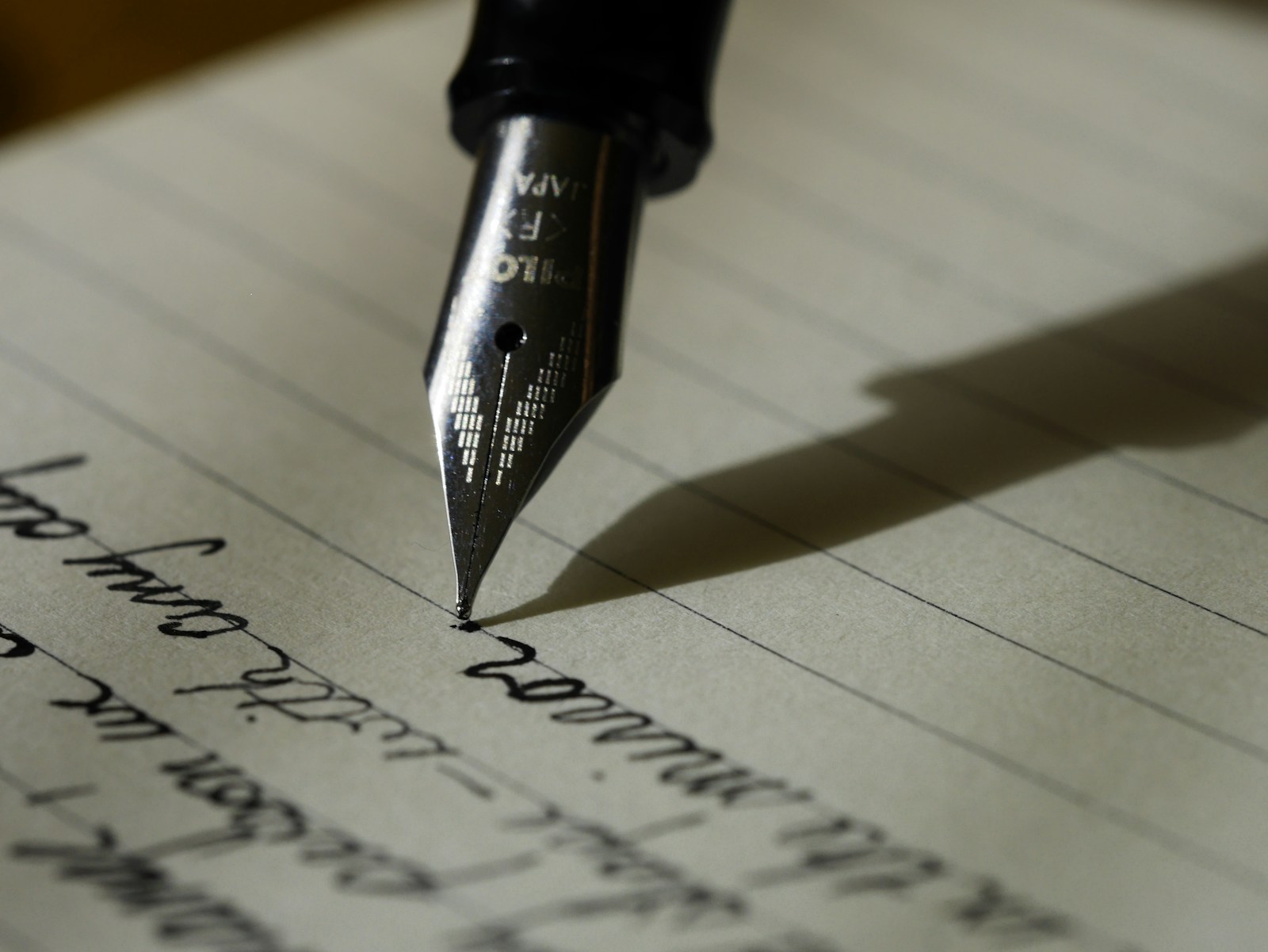


Why kids’ notes must name a person and one kindness
Adult etiquette sites fill the search results for “how to write a thank you note,” but children ages 4 to 9 need a different path. They are still learning that thank you lands on a person. A note that says only “Thanks!” or “Thanks for everything” teaches politeness theater, not gratitude. Culture of Thank You, created by Alison Gilham (The Thank You Lady), keeps the bar simple: name who helped, name what they did, then close.
That rule protects shy children as much as talkative ones. A shy kindergartner can dictate one sentence about a shared snack. A fourth grader can refuse a vague draft and rewrite once the kindness is clear. Parents and teachers do not need a full writing workshop. They need a short mission, a picture or object to point at, and a template that mirrors the spoken line the child already practiced.
The classroom activity book Why and How To Say “Thank You” includes the How To Write A Thank You Note template plus extra practice pages. Missions in the Operation Thank You Manual run 5 to 10 minutes so the note never becomes a whole-period essay. Flashcards make one kindness visible before anyone picks up a pencil. Spanish editions keep the same structure for bilingual rooms.
The 5-step thank-you note formula for kids
1) Greeting. Start with Dear and the helper’s real name. If the child only knows the role—“the lunch lady”—help them learn the name before the note goes out. Names make the thank-you feel personal.
2) Thank for X. Write Thank you for and finish with one kindness: packing my lunch, holding the door, reading to our class, fixing my zipper. If the child cannot finish that sentence, they are not ready to write yet. Go back to the spoken line.
3) One detail. Add where it happened, what object was involved, or how it helped. “You saved me a seat on the bus” is stronger than “you were nice on the bus.” One detail is enough for ages 4 to 9.
4) Closing. Love, Your friend, or Sincerely all work. Avoid joke closings, drawings that replace words, or “Sorry this is late” as the whole message. If the note is late, still lead with the kindness.
5) Name. The child signs. Preschoolers may only mark the page after dictating. Kindergarteners copy a short line. First through fourth graders write more of the note themselves while an adult still checks that the person and kindness are both present.
Age-by-age: preschool dictate to 4th-grade full note
Preschool (about 4–5): Dictate. The adult prints Dear [Name], the child’s spoken thank-you, and a closing. The child may draw the helper or the object. Success is a clear spoken sentence, not neat handwriting.
Kindergarten (about 5–6): Copy a short line. The adult may write the helper’s name. The child copies “Thank you for” and adds a few words or a drawing of the kindness. Morning meeting is a natural slot for the spoken practice that comes first.
1st grade (about 6–7): Two or three sentences with spelling help. Use the activity-book template as a scaffold: greeting, kindness sentence, closing. First-grade teacher Laura H. said children used please and thank you all the time once they understood the power behind the words.
2nd grade (about 7–8): A short handwritten note that can include where it happened. Partners read drafts aloud and check whether the person and kindness are both clear.
3rd–4th grade (about 8–9): Use the template as a checklist, not a script. Refuse “thanks for being nice.” Ask which moment they mean. Older children can thank community helpers and lead a flashcard talk before writing.
10 copy-ready thank you note examples for kids
Gift: Dear Grandma, Thank you for the blue soccer ball. I practiced kicking it in the yard after school. Love, Maya.
Teacher: Dear Mr. Ortiz, Thank you for reading the chapter twice when we asked. I understood the ending better. Your student, Eli.
Classmate: Dear Sam, Thank you for saving me a seat on the rug. I was late from the nurse. Your friend, Nora.
Community helper: Dear Ms. Patel, Thank you for stopping the cars so our class could cross. We felt safe. From Jordan’s class.
Family chore help: Dear Dad, Thank you for packing my lunch with the apple slices. I was not hungry at recess. Love, Ava.
Coach or leader: Dear Coach Kim, Thank you for showing me how to tie my cleats. I did it by myself at the next practice. Thanks, Leo.
Daycare or after-school: Dear Miss Rosa, Thank you for holding my jacket zipper when it stuck. I got outside on time. Love, Priya.
Scout or club: Dear Den Leader Chris, Thank you for bringing the extra flashlight on the night hike. I could see the path. From Miles.
Spanish line (same kindness): Querida Sra. Ruiz, Gracias por ayudarme con mi abrigo. Me mantuvo abrigado en el patio. Con cariño, Sofía.
Dictated preschool version: Dear Nana, Thank you for the pancakes shaped like moons. (Adult writes while the child points at the plate drawing.) Love, Theo.
Handwritten, dictated, or activity-book template
Handwritten notes matter when the child can form letters without melting down. Until then, dictation is real thank-you practice, not a shortcut. The adult’s handwriting still carries the child’s words.
The classroom edition of Why and How To Say “Thank You” is saddle-stitched for school packages and includes the note template plus extra draft pages. The premium laminated book suits gifts and home shelves. Both teach the same formula: greeting, specific kindness, closing.
In a Culture of Thank You mission, children say the line out loud with flashcards before they write. That order prevents empty notes. If books are still on order, practice the spoken line today and write when the template arrives. Leaders can request a sponsor at no cost on Find a Sponsor; Alison Gilham confirms the address before shipping.
Mistakes that make kids’ thank-you notes thin
“Thanks for everything.” Send it back. Ask what one thing the person did.
Joke thank-yous or silly closings that undercut the kindness. Warm is fine; mocking is not.
Vague praise—“you are nice,” “you are the best”—with no moment attached. Point at an object or place and retry.
Skipping the spoken line and jumping straight to writing. Ages 4 to 9 need to hear the sentence in their own voice first.
Turning the note into a long apology or a wish list. Lead with gratitude; save other topics for another letter.
Forcing a public performance when a whisper to a partner would work. Quiet delivery still counts.
Materials, Spanish copies, and next steps
The Operation Thank You Manual (98 pages) gives Monday–Friday classroom missions and a once-per-week track for clubs, Scouts, Sunday school, and co-ops. Each child needs an activity book. The 30-card flashcard set mirrors the book so a whole group can look at one situation. Extra books ship in packs of 10 for groups over 30.
Spanish manuals, activity books, flashcards, and the MISSION Reminders Supplement keep bilingual rooms on the same kindness. Do not run a “Spanish week” and an “English week.” One helper, one kindness, two languages if needed.
Ready to teach the note? Start with the thank-you note examples guide, the gratitude activities list, or a grade hub. Browse products or ask Alison to match a sponsor for your classroom, daycare, or homeschool group.
Classroom and home routines that make the formula stick
At school, pair the 5-step formula with a flashcard. Children see the kindness, say the line, then open the activity-book template. Teachers who try to teach the whole formula as a mini-lecture before any practice usually lose the younger half of the room.
At home, tape a tiny checklist to the fridge: name, kindness, detail, closing, signature. When a gift arrives, walk the checklist once before anyone reaches for stickers. Decorating comes last.
Daycare and after-school rooms can run a “note clinic” once a week: three children dictate, three children copy, everyone hears one strong example read aloud. Keep the clinic inside ten minutes.
Homeschool siblings at different writing levels can share one helper. The preschooler draws and dictates. The third grader writes the full note. Both are practicing the same gratitude skill.
Bridging spoken thanks and Spanish copies
If a child can say the kindness but freezes on paper, capture the spoken sentence on a sticky note and let them copy it. That is still their thank-you, not the adult’s speech.
Spanish activity books follow the same five steps. Children may write Gracias por… with the same detail requirement. Keep English and Spanish notes about one shared kindness so bilingual rooms stay unified.
Leaders ordering materials can include Spanish manuals, flashcards, and the MISSION Reminders Supplement. Ask on Find a Sponsor if the classroom package needs funding; Alison Gilham confirms counts before shipping.
Thank you note template for kids (copy this structure)
Dear __________,
Thank you for __________ (one kindness).
__________ (one detail: where it happened, what object was involved, or how it helped).
__________, (Love / Your friend / Sincerely)
__________(child’s name)
Preschoolers dictate into this frame. Kindergarteners copy the first two lines. First graders fill most of it with help. Third and fourth graders treat it as a checklist and write in their own words. Culture of Thank You’s classroom activity book prints a polished version of this template with extra draft pages.
Secondary searches parents bring—thank you note template for kids, thank you letter for kids—should still land on specificity. A letter is only a longer note; for ages 4 to 9, clarity beats length every time.
Questions leaders ask
Let's Grow a Culture of Thank You.
Whether you're a parent, teacher, organization, business, or individual looking to make a difference, there's a place for you in the Culture of Thank You.
Let's help the next generation learn to recognize kindness, appreciate others,
and say “Thank You” with meaning.