Kindergarten Thank You Program
Kindergarten teachers asked for a way to teach thank you that fits morning meeting.
 Ages 4 to 9
- Monday–Friday
- English and Spanish materials







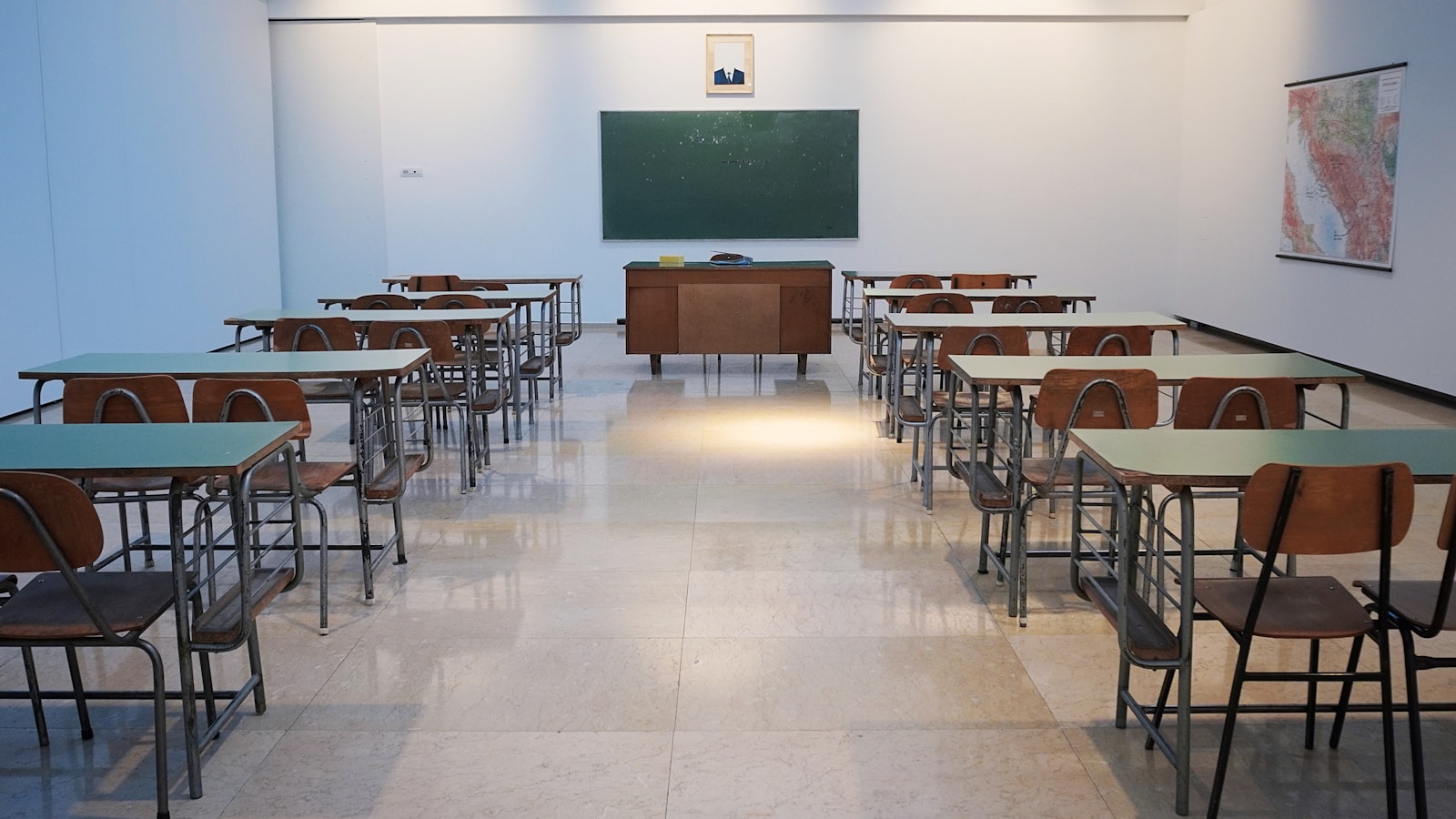

A thank you program for kindergarten
Kindergarten teachers asked for a way to teach thank you that fits morning meeting. Culture of Thank You is that block: 5 to 10 minutes, a manual with a Monday–Friday sequence, a classroom activity book for each child, and large flashcards. The children are about 5 and 6. They can copy a short line and say a longer one. The program does not ask them to write a letter on the first day. It asks them to notice a kindness, say thank you, and only then use the note template. Public, private, and charter kindergarten rooms use the same three products. Aides can lead the flashcard while the teacher listens. When some children speak Spanish, Spanish activity books and the MISSION Reminders Supplement sit beside the English copies. The teacher registers on Find a Sponsor if the room needs a business or a family to fund the package. There is no cost to the teacher to ask.
Kindergarten is the right moment to make thank you a habit, because morning meeting already asks children to look at one another. The language stays simple enough for early readers. Missions stay short so they fit circle time without replacing the rest of the day.
This is the Monday–Friday format from the first half of the Operation Thank You Manual. You see the same children on five school days. Each day is one mission of 5 to 10 minutes. The note is the work of the later days, not of Monday.

How the week runs
Kindergarten is the right moment to make thank you a habit, because morning meeting already asks children to look at one another. The language stays simple enough for early readers. Missions stay short so they fit circle time without replacing the rest of the day.
Kindergarten children can copy a short sentence and draw the person they are thanking. Many still need an adult to spell a name. The classroom activity book gives extra space so the first note is not squeezed onto one line.
Keep Monday inside 5 to 10 minutes in this classroom group. Look only. Put a plate of cupcakes where kindergarten children can see it. Name Leah, the classmate, and say the kindness: Leah passed the cupcake plate the long way so a child at the end was not skipped. It happened at a birthday circle. Ask “Who is easy to forget in a circle?” Stop at 5 to 10 minutes. No note yet. The block has to end on time. Five to ten minutes is the whole lesson, not the introduction to a longer lesson. If they freeze, Pass a paper plate. The last child in the circle is the one who must be included before anyone pretends to eat.
Tuesday in the classroom belongs to the classroom teacher. Say the line. kindergarten children tell a partner, “Thank you for passing the plate to me.” Practice the spoken line twice in the group, then have each child say it to a partner as if that partner were the helper. If the kindness disappears, point back to a plate of cupcakes. The block has to end on time. Five to ten minutes is the whole lesson, not the introduction to a longer lesson. If they freeze, Pass a paper plate. The last child in the circle is the one who must be included before anyone pretends to eat.
On Wednesday, kindergarten children (about 5 and 6) stay with “The cupcake plate passed.” Test the detail. Ask “What did Leah do with the plate that was extra kind?” Answers have to name what Leah did, not that the classmate was nice. a morning-meeting turn, with children repeating one line together before anyone writes. The block has to end on time. Five to ten minutes is the whole lesson, not the introduction to a longer lesson. If they freeze, Pass a paper plate. The last child in the circle is the one who must be included before anyone pretends to eat.
Thursday does not add a new helper. It stays with Leah. Draft the note. The adult writes the helper’s name if needed. The child copies “Thank you for” and then adds a few of their own words or a drawing of the kindness. Aim at “Thank you for making sure I got a cupcake.” Kindergarten children can copy a short sentence and draw the person they are thanking. Many still need an adult to spell a name. The classroom activity book gives extra space so the first note is not squeezed onto one line. The block has to end on time. Five to ten minutes is the whole lesson, not the introduction to a longer lesson. If they freeze, Pass a paper plate. The last child in the circle is the one who must be included before anyone pretends to eat.
Keep Friday inside 5 to 10 minutes in this classroom group. Send it. Children deliver “Thank you for passing the plate to me.” or the note, then take home this job: The next time a plate is passed at home, thank the person who cooked, not only the person who handed you food. A child can say who helped and what the person did, in one sentence, without a joke in the middle. The block has to end on time. Five to ten minutes is the whole lesson, not the introduction to a longer lesson. If they freeze, Pass a paper plate. The last child in the circle is the one who must be included before anyone pretends to eat.
kindergarten (about 5 and 6): Kindergarten children can copy a short sentence and draw the person they are thanking. Many still need an adult to spell a name. The classroom activity book gives extra space so the first note is not squeezed onto one line. The adult writes the helper’s name if needed. The child copies “Thank you for” and then adds a few of their own words or a drawing of the kindness.
Materials and Spanish copies
The Operation Thank You Manual is 98 pages. The first half is the Monday–Friday classroom sequence. The second half is the once-per-week sequence for clubs. Each child needs Why and How To Say “Thank You,” the classroom edition: a saddle-stitched activity book with situations for saying thank you, the How To Write A Thank You Note template, and extra pages to practice. The flashcard set has 30 cards, 8.5 by 11 inches, colorful, with rounded corners. The cards mirror the activity book so the group can look at one situation before writing. The manual, the activity book, and the flashcards are available in Spanish. The MISSION Reminders Supplement can be added when some children speak Spanish. Extra activity books are sold in packs of 10.
The practice line in the sample above is “Thank you for passing the plate to me.” In Spanish: “Gracias por pasarme el plato.”
Sponsorship
Leaders of a kindergarten thank you program request a sponsor at no cost, or families order the products themselves. Alison Gilham, The Thank You Lady, coordinates packages from P.O. Box 114, Tualatin, OR 97062. Email info@cultureofthankyou.com or call 971-265-8262.
Before Leah comes up in the classroom
The classroom teacher should be able to say the kindness in one breath: Leah Leah passed the cupcake plate the long way so a child at the end was not skipped. If that sentence is fuzzy, kindergarten children will write a vague thank-you. Keep a plate of cupcakes in reach and keep the mission inside 5 to 10 minutes. The block has to end on time. Five to ten minutes is the whole lesson, not the introduction to a longer lesson.
Spoken thanks comes before the note. Children need to hear themselves say the words to someone, not only write them for a wall display. The mission is finished when a child has looked at a person and named what that person did. For this group the success test is specific: A child can say who helped and what the person did, in one sentence, without a joke in the middle. A shy child may point at a plate of cupcakes, whisper “Thank you for passing the plate to me.,” or dictate “Thank you for making sure I got a cupcake..” All three count. A blank refusal gets another look at a birthday circle, not a lecture.
Questions leaders ask
Let's Grow a Culture of Thank You.
Whether you're a parent, teacher, organization, business, or individual looking to make a difference, there's a place for you in the Culture of Thank You.
Let's help the next generation learn to recognize kindness, appreciate others,
and say “Thank You” with meaning.