6 min read
How Elementary Guidance Curriculum Prepares Kids for Grateful Gift Giving
23 October 2026
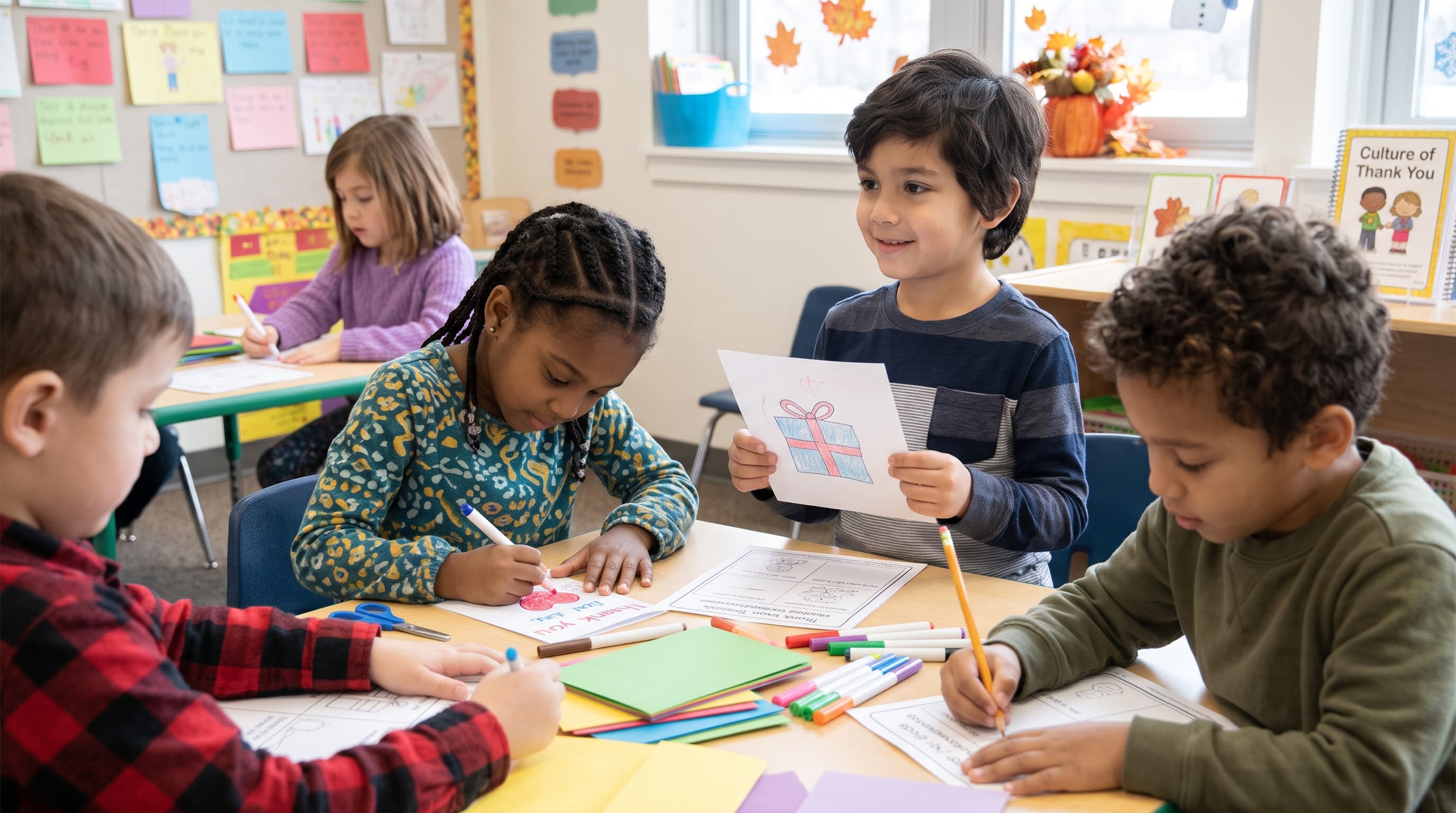
Grateful gift giving starts long before a child opens a birthday present or heads to a holiday party. Children ages 4 to 9 learn best when gratitude is part of everyday conversation, not just a quick reminder to say thank you. Through an elementary guidance curriculum, we can help children notice care, use kind words, and think about how their actions affect others.
October is a natural time to begin. Halloween treats, Thanksgiving activities, winter celebrations, and classroom gift exchanges are right around the corner. With a little guidance from teachers, parents, youth leaders, and organizations, these exciting moments can become chances to practice real appreciation.
Notice the Thought Behind the Gift
A gift is more than the item inside the bag or box. When we teach children to pause and think, they begin to see the time, attention, and kindness behind what they receive.
Before a child says thank you, we encourage adults to ask a few simple questions:
 Who chose or made this for you?
- What do you think they noticed about you?
- How did they make time to give this to you?
- How did receiving it make you feel?
Questions like these help children connect a present with the person who gave it. A child may realize that a grandparent remembered their favorite color, a friend chose a book about a topic they love, or a teacher spent time preparing a small classroom treat.
Our lessons also make room for gifts that do not come in wrapping paper. A ride to practice, help with homework, a homemade snack, or a family member attending a school event can all be acts of generosity. When children learn to recognize these everyday gifts, gratitude becomes part of ordinary life, not something saved for major holidays.
For younger learners, visual prompts, short stories, discussion cards, and role-play can make the idea easier to understand. At Culture of Thank You, we use manuals, activity books, and flashcards in English and Spanish to give adults clear ways to guide these conversations at a child-friendly level.
Turn Holiday Excitement Into Thoughtful Giving
Holiday excitement is fun, but it can make it hard for children to slow down and consider someone else’s feelings. Before a classroom party, family exchange, or seasonal celebration, we recommend giving children a few quiet minutes to plan their giving.
Instead of asking only, “What are you giving?” try asking, “How might this make the other person feel seen?” That small shift helps children focus on the person, not just the gift.
Thoughtful giving does not need to mean expensive giving. Children can show care through simple gestures, including:
- Drawing a picture for a neighbor or relative
- Choosing a favorite book for a sibling
- Helping make a treat for a family gathering
- Creating a coupon for a helpful task, such as setting the table
- Writing kind words to include with a small gift
These choices teach an important lesson: generosity comes from attention and effort. A child who remembers that someone likes butterflies, enjoys a certain color, or needs help with a task is learning how to care for others in a meaningful way.
Seasonal routines can build this habit before gift exchanges even begin. In a classroom, we might suggest a gratitude wall where children add drawings or words about acts of kindness they noticed. At home, you might share one kind act at dinner. Youth groups can write notes for volunteers, school staff, or community helpers. These routines show children that making someone feel valued can be just as joyful as receiving something themselves.
Build a Repeatable Elementary Guidance Curriculum
One reminder to say thank you rarely creates a lasting habit. Children need repeated chances to notice kindness, practice respectful words, and express their feelings in ways that fit their age. A repeatable elementary guidance curriculum gives adults a steady path instead of relying on corrections in the moment.
We often encourage a simple learning sequence that grows with the child:
- Identify kind actions, helpful people, and gifts
- Practice spoken thank-yous with eye contact and clear words
- Talk about why appreciation matters to the giver
- Create age-appropriate thank-you notes
- Reflect on how giving and receiving made everyone feel
For a 4-year-old, this may mean naming a kind action, drawing a picture, and dictating a short message. An emerging writer may complete a sentence starter, such as “Thank you for the ___.” Older elementary children can add personal details about how they will use or enjoy a gift.
Consistency matters across settings. Teachers can introduce a gratitude activity in class, parents can repeat the same language after a birthday party, and youth leaders can practice it during a service project. When children hear similar messages from the adults around them, the skill feels familiar instead of formal or forced.
Make Thank-You Notes Part of Real Moments
Thank-you notes should not feel like a chore that happens after all the fun is over. They can be a warm way for children to remember a person’s kindness and share what mattered to them. Before writing, we suggest helping children talk through three details: who gave the gift, what they gave or did, and how it made the child feel.
There are plenty of natural note-writing moments during the season. After a birthday party, children can thank classmates for attending or for the gifts they brought. Before Thanksgiving, a class may write to office staff, cafeteria workers, or other school helpers. Following winter celebrations, families can set aside a calm time to make notes for relatives, friends, and neighbors.
An elementary guidance curriculum should make room for different writing levels and language needs. Younger children may draw and sign their names. Developing writers may use simple sentence starters. More confident writers can create personal messages with details and warm closing words. English and Spanish resources can also help multilingual classrooms and families practice gratitude in ways that feel comfortable and clear.
Practice Gratitude Before the Busy Weeks Arrive
The best time to build grateful gift-giving habits is before the calendar becomes full. Choose one regular time each week for children to notice kindness, plan a thoughtful gesture, or create a thank-you note. A short routine can help them feel ready for birthdays, classroom exchanges, Thanksgiving gatherings, and winter celebrations.
With steady, age-appropriate practice, children can learn that gratitude is more than polite words. It is paying attention to others, recognizing their care, and responding with respect. Those are habits children can carry into every season.
Make Gratitude Lessons Easier To Teach
At Culture of Thank You, we create practical resources that help educators bring meaningful conversations into the classroom. Find tools that support your elementary guidance curriculum and give students clear, engaging ways to practice thoughtful gift giving. Our materials are designed to fit naturally into lessons, small groups, and seasonal activities.